montisalis
MONTISALIS
Over the years the Order of Malta has had various possessions in Puglia, a testament to the enormous strategic and economic importance of the area as a “gateway to the East”. The District called “Salt Mountain” (in latin Montisalis - identified with a green star on the adjacent map) stands on a hill approximately 433 metres high, a few kilometres from the centre of Alberobello. Overlooking the Pirro Canal (also known as the Vessel Canal, due to the presence of many large wells to collect rainwater), it was part of what were known as the Bailiwick of Saint Stephen of Monopoli menors, including town such as Fasano and Putignano - centres that still contain many buildings and historical evidence of this past. Initially called Ecclesia Sanctorum Cosmi et Damiani, the area now known as Alberobello was annexed to the episcopal assets of Monopoli in 1392. It is documented that on 20 March 1443, this area was a manor of Giovanni Antonio Orsini del Balzo, Prince of Taranto, during the reign of Alfonso I of Aragon, the first ruler of the Aragonese dynasty of Naples, who succeded the Angevins. Orsini dominated the entire area, except for Fasano and Putignano which were owned by the Commend (later elevated to the rank of Bailiwick) of the Order of Saint John, which had taken over the Benedictine monastery of Saint Stephen in 1317. From 1495 to 1509 Monopoli and its surrounding territories, including the Forest of Alberobello, was under the control of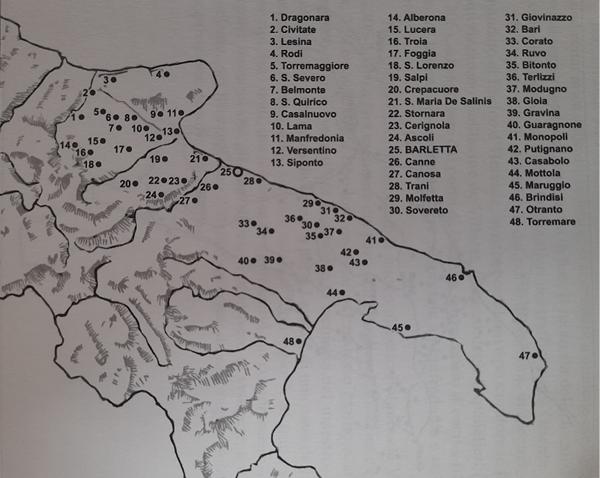
Maps of Johannite settlements in Puglia
Mariarosaria Salerno, Gli Ospedalieri di San Giovanni di Gerusalemme nel Mezzogiorno d’Italia (sec. XII-XV), Centro Studi Melitensi, Taranto, Palazzo Ameglio.

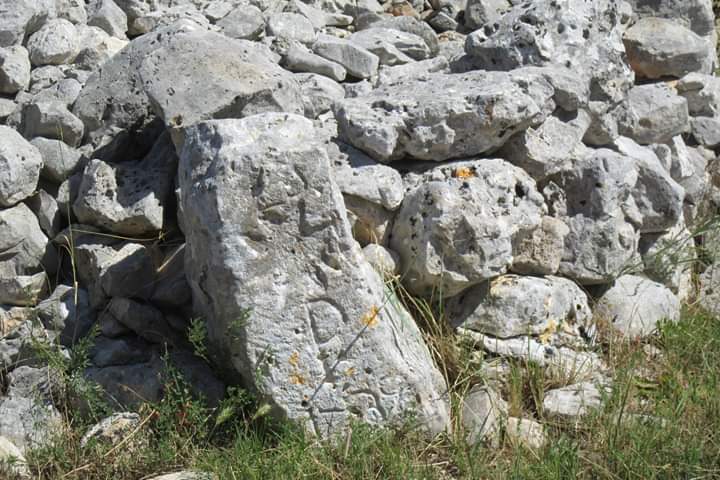
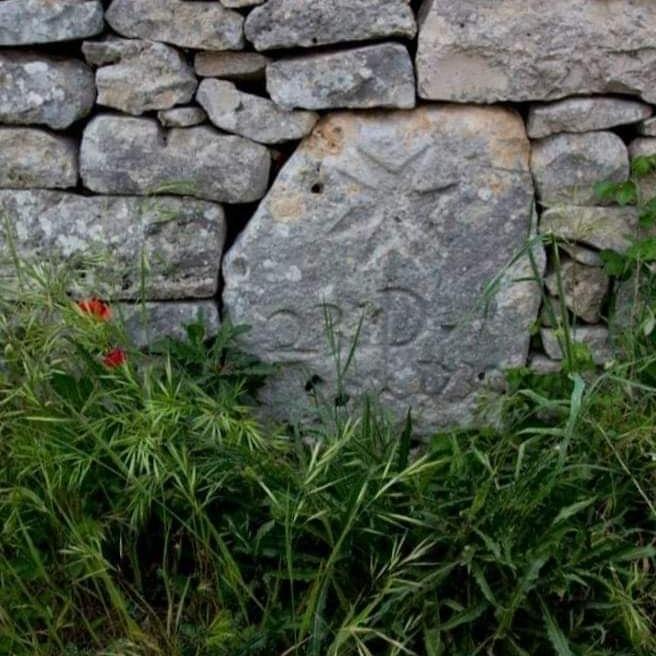
the Republic of Venice, which had intervened in support of the Neapolitan throne against Charles VIII. The manors of the Order of Saint John included several farms in the Pirro Canal area, extending as far as the Cisternino Farmhouse in the Forest of Alberobello. In the countryside around Noci, boundary stones – still visible today – mark the limits of Saint John manors. These “stones put”, as they were called, bear the distinctive octagonal cross and are clearly identified in the land registers of the time (see photo alongside). In the “Salt Mountain” area, traces of the first settlements or clusters of
farmhouse date as far back as the 14th century. In fact, during the period of Venetian domination of the adjacent Pirro Canal (1495-1530), saltpetre was extracted from these region – hence the name, as there were frequent efflorescences of rock salt. This saltpetre was used in the preparation of gunpowder. In addition, sturdy timber from what is now the Forest of Alberobello was exported to construct palaces and galleys in the Venetian Lagoon. The area also supported horse breeding and training at the “La Cavallerizza” farm, located downstream and still existing today. For about 35 years, this farm supplied
selected steeds to the Government of the Serenissima. As evidence of this, in a letter dated 8 January 1496, doge Agostino BARBARIGO provided instructions to the governor of Monopoli, ser Alvisio LOREDANO, on how to govern the city. Among other things, he wrote: “Alius est quod nobis est cordi, confectio salnitrorum, quorum commoditatem et abbundantiam illic esse persensimus , propterea ad hoc eris intentus et diligens…Intelligimus preterea illic solitum esse tenere armentum sei ratiam equorum quam conservare et instaurare cupimus, propterea tibi mandamus ut in hoc uteri somni diligentia significando nobis in quo statu reperiatur, ut si qui necesse fuerit provvidere valeamus”.
Small trullo-shaped structure are mentioned in descriptions of the Predio di Buonfiglio within the land registers of the time of the Saint John of Monopoli Commend of the Sacred Order of Jerusalem as “…a small house for the use of shepherds, to wich are attached some sheep…”. The land was mainly used for cultivating grapevines, as clearly evidenced by the presence - still observable many older buildings - of small wine presses and adjacent wells, used for collecting the must and subsequently storing the wine.
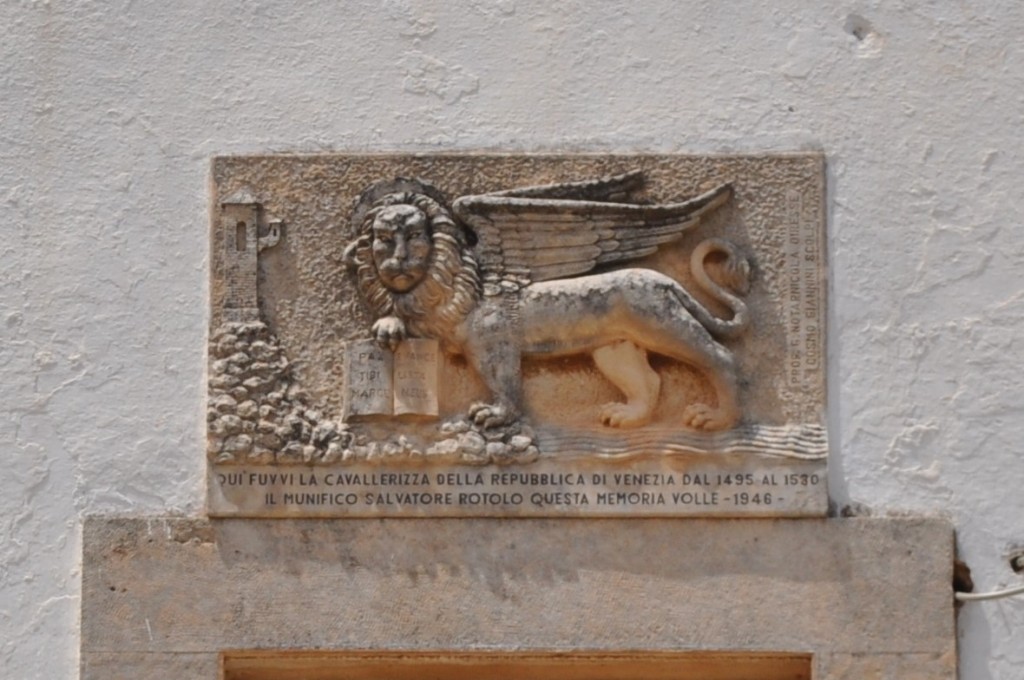
Above, Winged lion at the top of the Cavallerizza farm entrance, in memory of the Venetian period.