THE BAILIWICK OF SAINT STEPHEN OF MONOPOLI
The Bailiwick of Saint Stephen of Monopoli
In 1310 the Prior of Barletta paid papal tithes for the important Benedictine monastery of Saint Stephen of Monopoli due to the Hospitallers' interest in this domus, they already owned the preceptory of Saint John in Monopoli. After numerous internal disputes, a faction of monks invited the Hospitallers to enter the monastery. Consequently, Saint Stephen was transferred to the Order by a decree signed by Pope John XXII on 13 June 1317, from the papal seat in Avignon. Saint Stephen of Monopoli, together with Saint Eufemia (now Lamezia Terme) and the Holy Trinity of Venosa, was, for various periods in its history, a "capitular preceptory" - a unique case in the history of the Hospital. These domus were not aggregaded to the existing priories in the kingdom, but were directly assigned by the Convent General Chapter, which in the 14th century was predominantly franco-provençal.
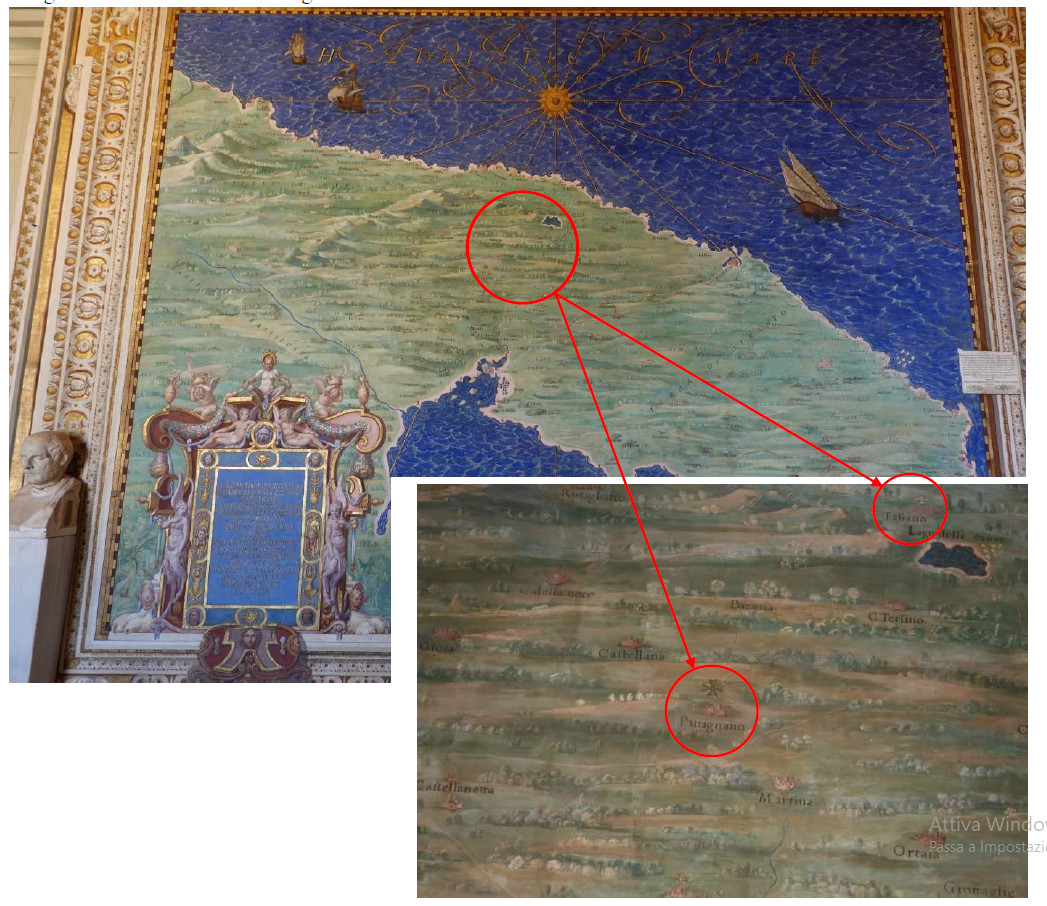
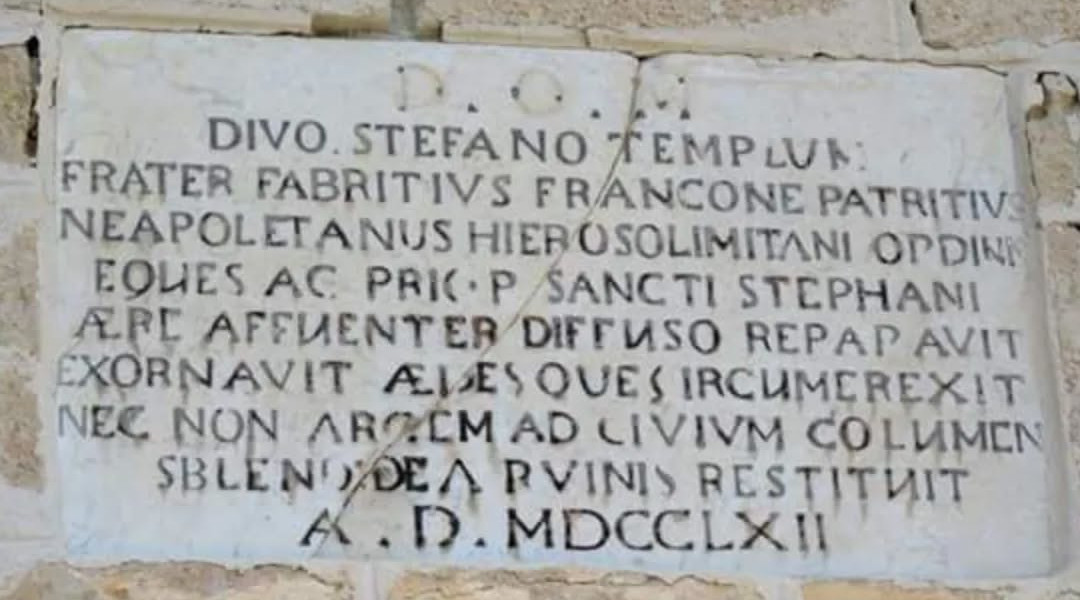
The Bailiwick of Saint Stephen of Monopoli, wich owned the hamlets of Fasano (considered a "Saint John foundation city" due to its planned urban design by the Hospitallers starting in 1487), Putignano, Casaboli and Locorotondo, along with other properties, was particularly wealthy by the mid-18th century. Due to this wealth, a resolution passed on 15 May 1768, and ratified by the Language of Italy on 10 December, determined that the manor of Putignano would separate from the Bailiwick of Saint Stephen to form the two commanderies of Putignano the Major and Putignano the Minor.

The apostolic seat in Avignone and the influence on Saint Stephen of Monopoli
After the Angevins, supported by the Pope, lost Sicily, and the papal seat was transferred to Avignon in 1309 (remaining there until 1376), collaboration between the popes and the French courts of Paris and Naples intensified. With french popes and a college of cardinals composed mostly of Frenchmen, the domus in Angevin-controlled territories began aligning more closely with the priories of the Kingdom of Naples, a papal vassal, rather than those in Aragonese Sicily. As the papacy sought to expand its territorial influence in Provence, the Order of Saint John ceded several of its holdings there to the Holy See. In compensation, the Order received extensive assets, particularly in Angevin-controlled Italy. As a result of losing their possessions in Provence, the provençal friars claimed rights to properties in Southern Italy. The system of capitular preceptories, controlled by the franco-provençal leadership based in Rhodes, facilitated these claims. Consequently, the preceptory of Saint Stephen of Monopoli was assigned to members of the Langue of Provence until 1477.The Order of Saint John and the Carnival of Putignano
On 26 December 1394, The Knights of Saint John transported the relics of Saint Stephen, Pope and Martyr, from the castle bearing his name in Monopoli to the Church of Saint Mary the Greek in Putignano, where they still preserved today, in order to protect them from potential saracen incursions. Since then, every year on December 26th, Putignano celebrated the beginning of its carnival - the longest in Italy and the oldest in Europe. It is said that when the religoius procession passed through the countryside, farmers, busy grafting grapevines using the "propagation" technique, abandoned their work to joyfully join the parade, dancing, singing and improvising satirical verses in the local dialect.